A structured prompt set for running your first LLM brand audit across ChatGPT, Claude, Gemini, and Perplexity. Takes about two hours. Tells you more than a year of vibe checks.
By Chelsea Jones, CEO + Founder, Shop Playbook · May 2026
The most common version of an LLM audit I see is someone opening ChatGPT, typing their brand name, reading the output once, and deciding things are either fine or not. That takes four minutes and tells you almost nothing.
A real audit is structured and comparative. You run specific query types across multiple models, score the responses against a rubric, and read the variance between models as signal. Here is exactly how to do it.
Open four tabs: ChatGPT (GPT-4o), Claude (Sonnet), Gemini Pro, and Perplexity. Run every prompt in all four and record the full responses verbatim in a spreadsheet. Do not paraphrase. The exact language the model uses is part of what you are measuring.
You are looking at five things in each response: whether your brand appears at all, whether the facts are accurate, whether the voice the model uses to describe you matches your actual brand voice, whether your positioning comes through correctly, and whether the overall sentiment is positive, neutral, or negative. Score each on a 0-2 scale. Max score per response: 10.
There are five query categories, each simulating a different stage of buyer intent. Start with this one:
1. Discovery (simulate a buyer who doesn't know you yet)
What are the best [your product category] for [your target customer]? I'm looking for something around [$X price point].
This is the prompt that matters most for top-of-funnel visibility. If your brand does not appear here, you are missing buyers before they ever reach your site.
Get the full prompt set
The remaining 4 prompt categories cover reputation, comparison, post-purchase, and values. Enter your email and we'll send you the complete template as a PDF you can use this week.
No spam. One email with the template, that's it.
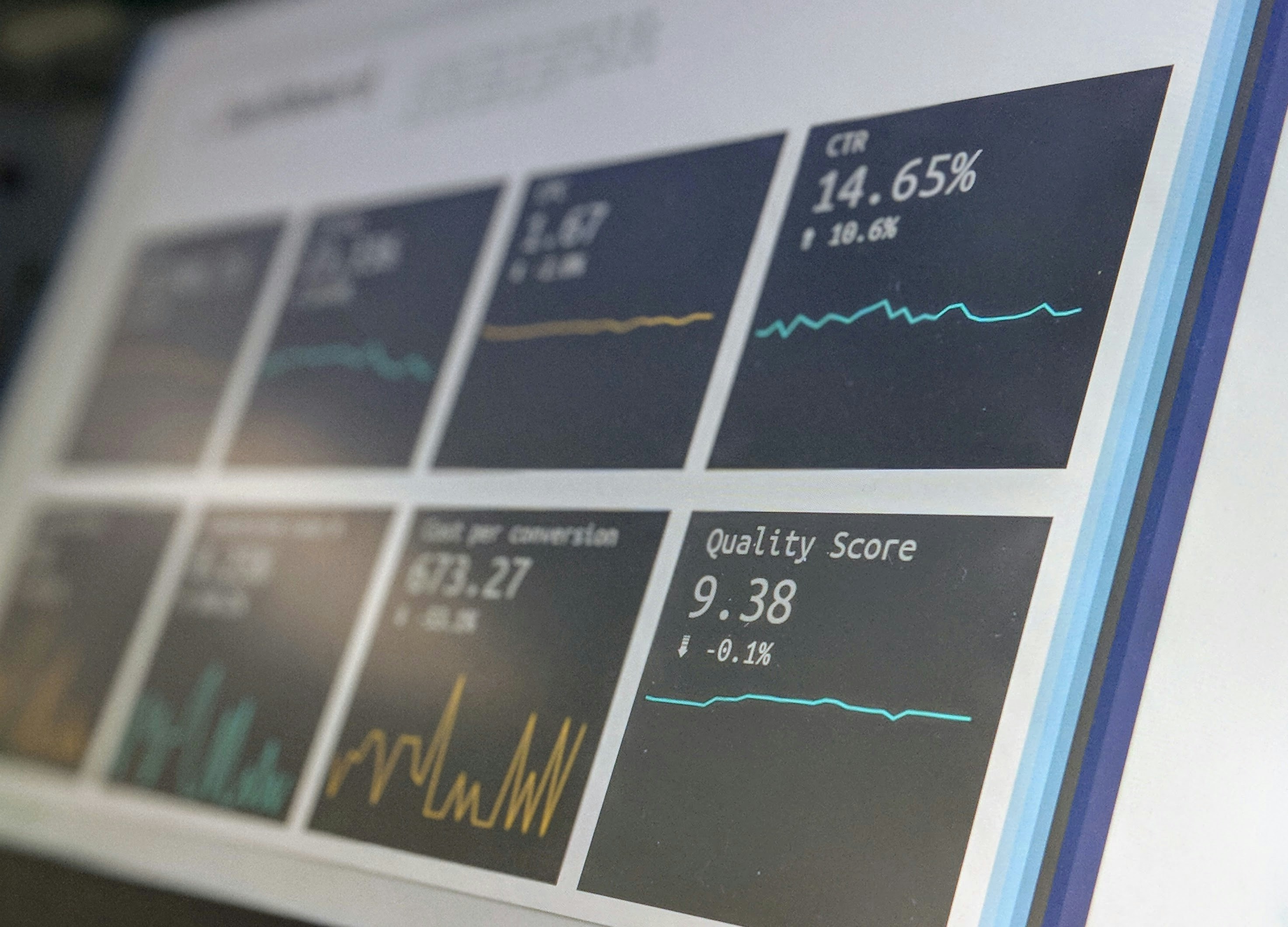
The individual scores matter less than the patterns across the matrix. Three things to look for:
Every finding maps to one of three things: a factual correction (outdated content still indexed, wrong price or policy), a content gap (you have not published enough clear signal on a topic for models to retrieve), or an operations problem (your highest-volume content is too inconsistent to produce a coherent model impression).
The third category is where most brands get stuck. You cannot fix voice misalignment at scale by writing better brand story content. The volume is wrong. The signals pulling your model impression off-brand are outweighing the good content you produce simply because they outnumber it. That requires fixing how your brand produces content operationally, not just what it produces.
Run this audit once and you have a baseline. Run it quarterly and the variance between runs tells you whether what you changed is working.
If the operational findings from your audit are significant enough that you are not sure where to start, the Creative Ops Audit at Shop Playbook is built for exactly that. Two weeks, structured diagnostic, clear map of where your brand signal is fragmenting and how to fix it. Reach out at chelsea@shopplaybook.com.
Chelsea Jones is the CEO and Founder of Shop Playbook (Agentic Playbook LLC). Shop Playbook builds brand frameworks into AI agents for $50M-$500M DTC brands.